

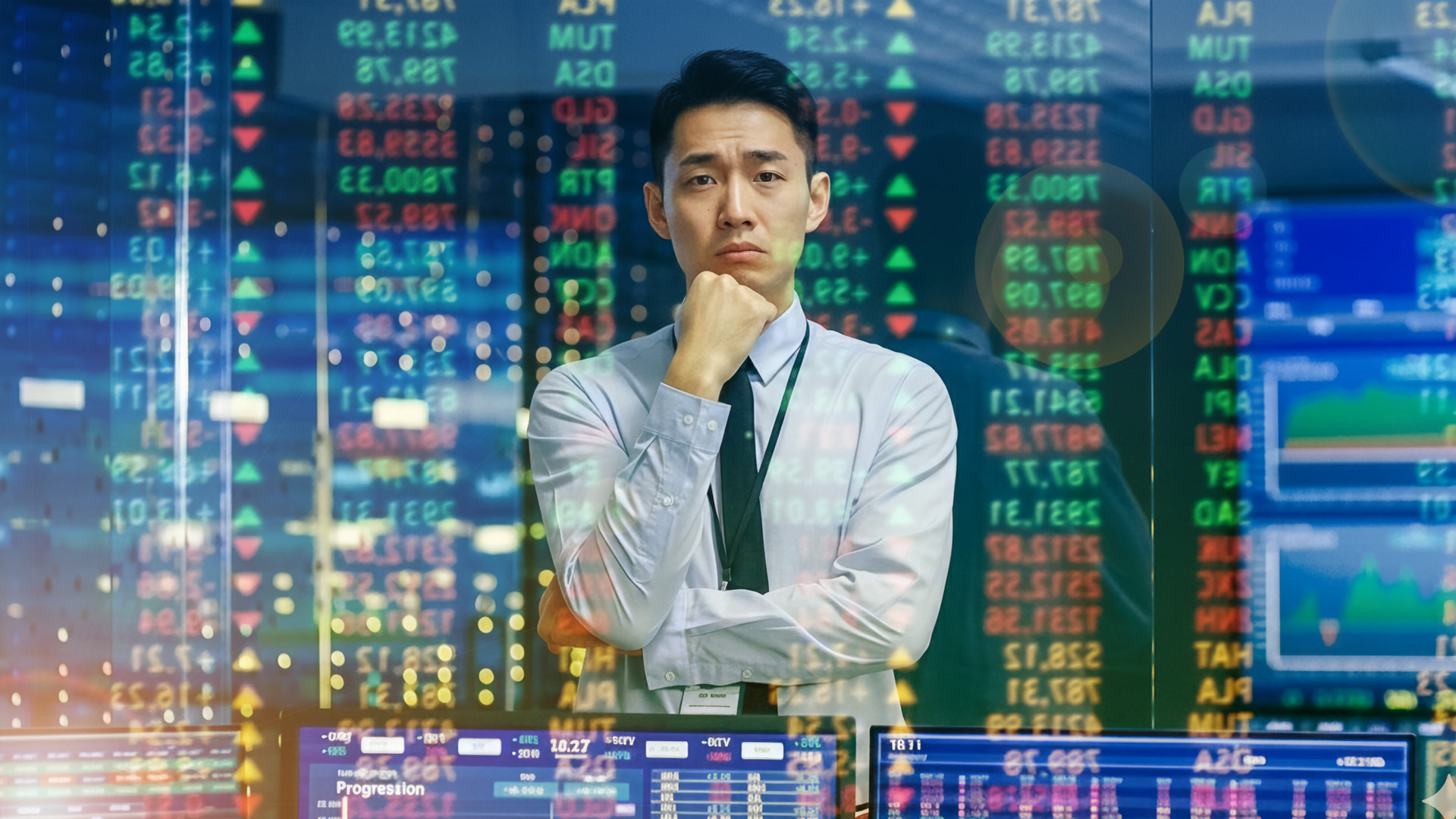
In the world of capital market investing, investor decisions are generally based on various considerations, such as fundamental analysis, technical analysis, or projections of an issuer’s financial performance that affect stock prices, as well as projections of national and global macroeconomic growth that influence the Composite Stock Price Index (IHSG). Furthermore, the IHSG can move significantly when there is a large gap between market projections and actual outcomes. For example, when the market predicts that the Fed’s interest rates will decline, but in reality they rise significantly, the market usually reacts quickly and puts pressure on the IHSG. The wider the gap, the greater the pressure on the market.
Rapid market movements often trigger emotional turbulence among investors. Not infrequently, investors react more emotionally rather than thinking strategically based on sound analysis. Avoid falling into emotional investing, as it can result in costly investment outcomes. Many investors underperform not because their investment products are poor, but because their investment decisions are driven by emotions at the wrong times—leading them to buy stocks at high prices, sell at low prices, switch instruments too frequently, or overreact to short-term volatility.
Emotional Traps in Investing
There are several common forms of emotional traps experienced by investors: (1) Panic selling – This occurs when sharp declines trigger fear, causing investors to rush out of the market and miss opportunities when the market recovers, (2) FOMO (Fear of Missing Out) – FOMO is usually driven by the fear of missing a trend, causing investors to buy assets that are already overpriced (3) Overconfidence – Repeated success often makes investors overly confident, leading them to take aggressive positions and ignore risks, (4) Anchoring – This happens when investors become fixated on past prices, for example, only wanting to sell when prices return to a certain level—even though market conditions have changed.
Psychologically, these phenomena are easy to understand. Humans are naturally inclined to react quickly to threats. In the capital market, sudden declines often trigger similar reactions, prompting investors to engage in panic selling without considering the issuer’s fundamental conditions.
In addition, losses tend to feel twice as painful as the pleasure gained from profits. As a result, investors are more prone to selling during market downturns or hesitating to invest when conditions are uncertain. Social pressure from social media, market rumors, and online communities can further amplify fear or euphoria, making it difficult for investors to stick to their predefined strategies.
Strategies to Address Emotional Investing
With awareness and discipline, emotions can actually be controlled. In many cases, adhering to a clear investment strategy delivers better long-term results. Some steps that can be taken include:
1. Set clear investment goals.
Concrete goals help maintain direction amid market turbulence.
2. Diversify
A balanced and diversified portfolio can reduce stress caused by volatility. Keep investment fundamentals strong.
3. Maintain discipline in asset allocation plans
Determine the proportions of stocks, bonds, and other assets from the outset according to risk profile, goals, and investment plans, and remain consistent with the plan even during market fluctuations.
4. Rebalance periodically
Rebalancing encourages discipline by selling assets that have risen too high and buying assets that are relatively undervalued.
5. Limit the frequency of portfolio checks
Monitoring a portfolio daily can trigger anxiety. For most investors, monthly or biweekly reviews are sufficient.
6. Consult with licensed professionals
Professionals can help maintain objectivity, reduce emotional bias, and ensure strategies remain aligned with long-term goals.
Invest Wisely with Mandiri Sekuritas
Emotions are a natural part of being human; however, they should not be the determining factor in investment decisions. By recognizing emotional triggers, avoiding common behavioural traps, and staying focused on long-term strategies, investors can build confidence while keeping their investment journey on track and achieving their financial goals.
Emotions can be better managed by investing through a trusted securities company. Capital market investments, including stock investments through Growin’ by Mandiri Sekuritas, are safer and more comfortable because Mandiri Sekuritas is a securities company registered with and supervised by the OJK. Most importantly, the Growin’ by Mandiri Sekuritas digital platform is user-friendly and easily accessible anytime and anywhere via the web (growin.id), Growin’ on Livin’, or by downloading the app from the App Store or Play Store.


